


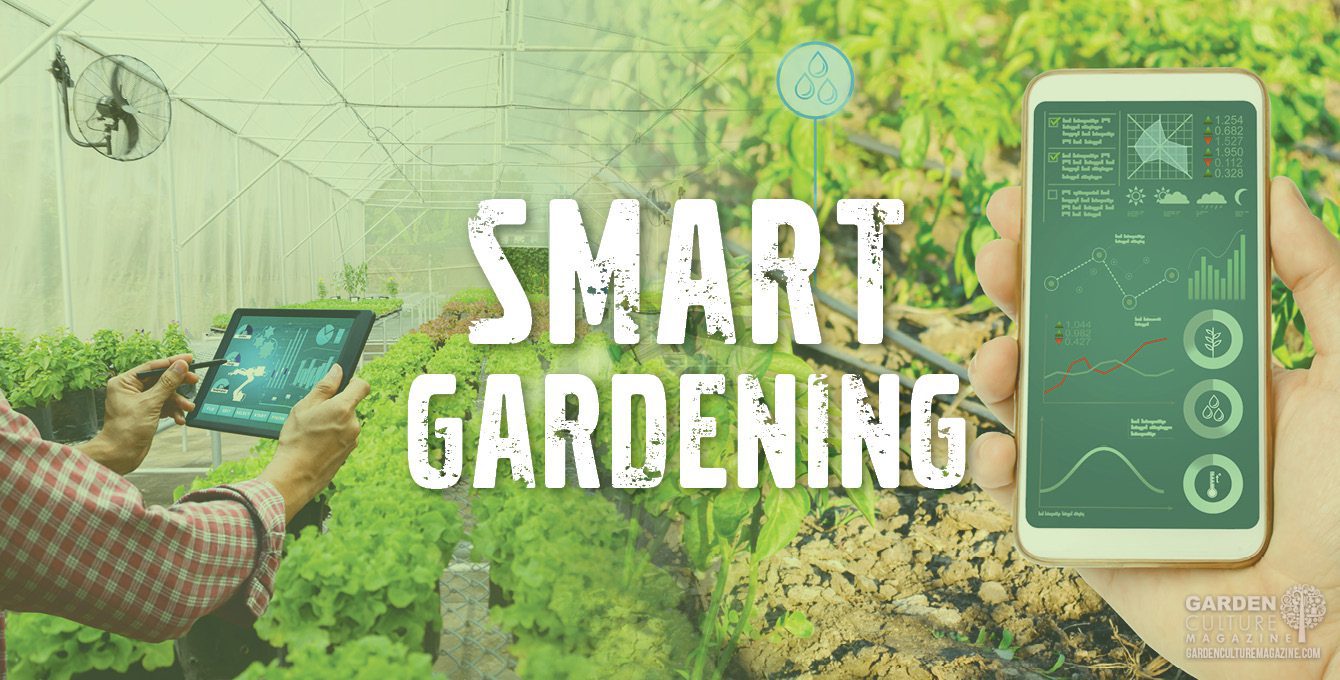

Gardening in the United States has changed a lot lately. It’s not just a simple hobby anymore; it’s become a tech-savvy and eco-friendly activity. People all over, from those in big suburban houses to small city apartments, are mixing old-fashioned gardening with new tech. They’re growing better plants, saving resources, and making gardens that are good for the environment.
For years, gardening was based on gut feelings, know-how, and learning from mistakes. This still works, but new tech gives gardeners better info. Smartphones, sensors, and tracking tools now give live updates, so people can make smarter choices for their gardens.
Gardening apps have really changed things. They’re like having a gardening expert right there to help you with everything from picking seeds to harvesting. You can even take a photo of a plant, and the app will tell you what it is. Plus, they remind you when to water and give you tips on how to deal with pests. Lots of gardeners in the U.S. use these apps to figure out how to care for plants that grow well where they live. It’s super useful because the country has so many different climates. So, whether you’re new to gardening in New York or have been doing it for years in California, you can get the advice you need on your phone.
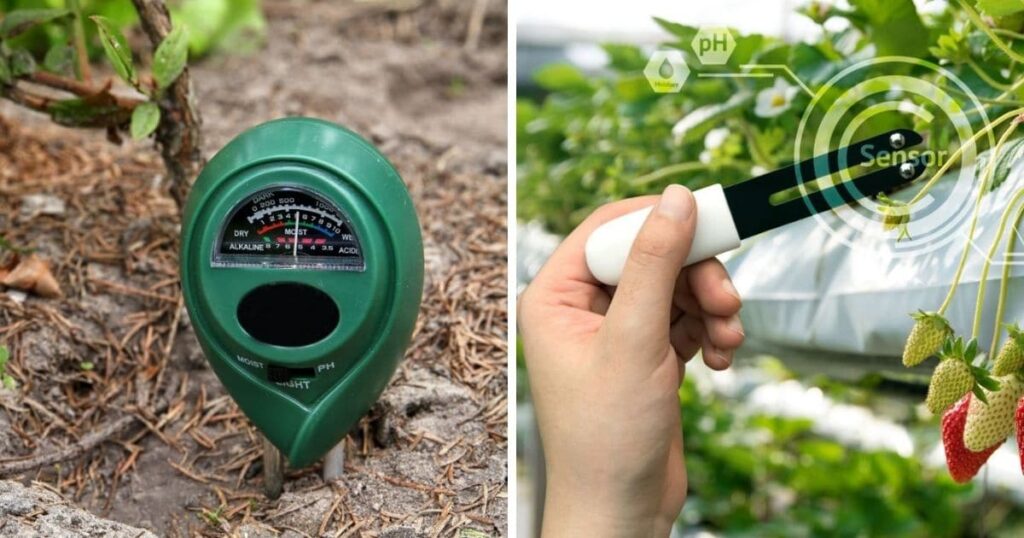
Soil sensors are also getting more common in American gardens. These little gadgets connect to your phone and keep track of things like how wet the soil is, the temperature, and what’s in it. Instead of guessing, you can just check the app and know exactly what to do. This helps stop you from watering too much, which is a typical mistake, and makes sure your plants get the right stuff to grow. With water prices going up and more people caring about saving water, soil sensors are a smart choice for Americans.
Hydroponics is changing the way people in cities garden. Because outdoor space is often small, many people are using hydroponics, where plants get nutrients from water instead of soil. This saves space and helps plants grow faster, giving you better harvests than regular gardening. Big cities like New York, Chicago, and Los Angeles are starting to see how helpful it is.Young, eco-conscious people are starting to grow their own food, and you don’t even need a yard.
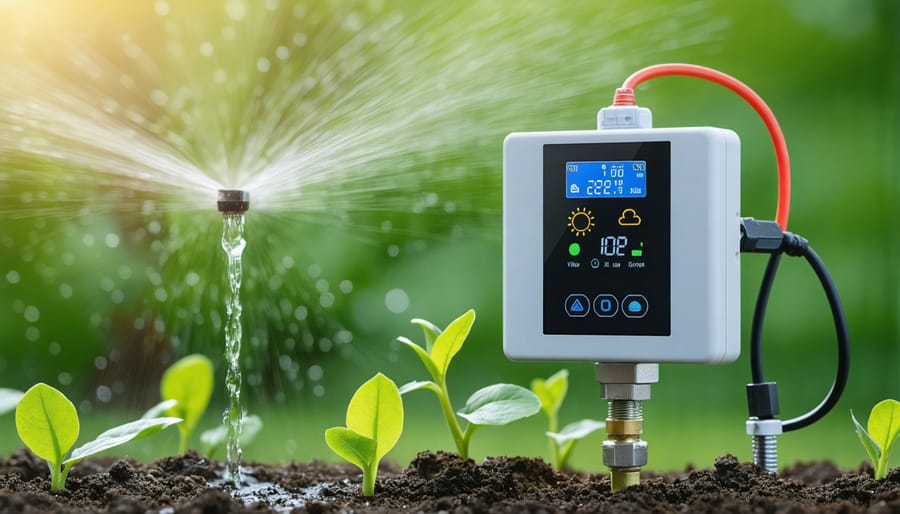
Smart watering systems are also becoming popular. Rather than watering on a set schedule, these systems use weather, soil data, and plant info to water plants only when they need it. This saves water and money and keeps plants healthy. In dry states like California, smart watering is really useful for people who want a garden and want to save water. Tech is making gardening easier and changing the way we interact with our green spaces. It’s gaining popularity, especially with young adults, tech fans, and busy individuals, since the tools are so easy to get.
These tools help people learn too. Parents are using gardening apps and sensors to teach their kids about nature and plants, plus how to care for the environment. Schools are using smart gardening in science classes to make learning fun and hands-on.There are problems, of course. The price of new hydroponic systems or sensors can be a barrier for some. There are also worries about electronic waste, even if the goal is to help the planet. But overall, folks seem to be finding a middle ground – using tech to make gardening better, not take it over.
This change shows some big trends in the US. People are thinking harder about how their actions affect the planet, from energy use to food making. Gardening is now part of a bigger push for sustainability, independence, and empowerment. With smart gardening tools, people are growing plants, responsibility, and new ideas.
Looking ahead, gardening in the US should keep getting bigger.It may sound like the future, but it’s starting to show up in our yards, on balconies, and in shared gardens.In short, tech and gardening are changing how Americans grow and connect with nature.