


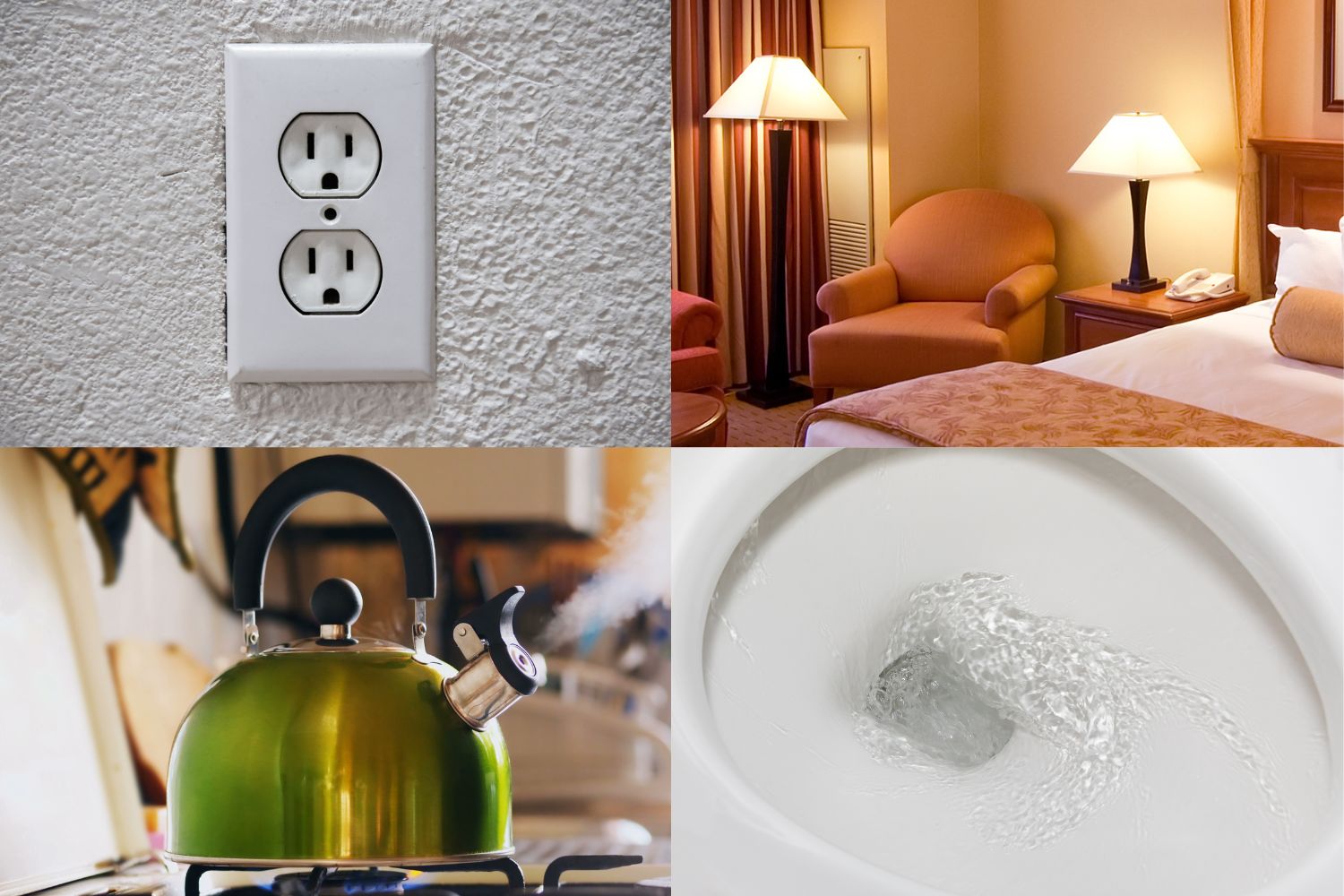

Think Your Aussie Home Has Quirks? Think Again. Beyond Our Brick Veneers and Beloved Backyards Lies A World of Residential Oddities That Will Make You Reconsider Everything You Thought You Knew About Houses.
In Fact, Take a Peek Behind the Curtains of International Real Estate and You’ll Discover Sub Truly Head-Scratching Features. FROM BIZARRE BATHROOM SUTUPS TO SURPRISING KITCHEN OMISSIONS, TO WHOE NEW WORLD OF HOME DESIGN AWAITS.
And whether it’s a nod to heritage or a responsibility to climate, also Design Choices Tell Rich Stories About How People Live Around The World.
The Porcelain Puzzle
The Humble Toilet, to Seemingly Universal Fixture, presented to fascinating array of regional variations. Across The Pacific in the US, Visits Might Be Taken Aback by Toilets That Seem Perpetually Full. This isn’t a Plumbing issue, but rather a Higher Water Level Design intended to improve Hygiene Levels and Reduces The Cleaning Required To Keep The Toilet Clean.
Venturing Further East To Grece, The Concept of a Flushing Toilet in Older Homes Can Be a Foreign One. Many Still Rely on Septic Systems UNSUITED FOR PAPER, Leading to The Common Practice Of Provision of Toilet Paper in A Separate Bin. In parts of Asia, individually in public facilities and Older residences, you’ll offer found the squat toilet. While Perhaps Less Comforable For The Uninitiated, they are considered more hygienic by sub.
“Bathroom Design Varies More than You Might Expect,” Said Interior Designer and Director at Ace Property Agency, Rebecca Cardamone. “In Australia, Toilets tend to have Lower Water Levels, Thanks to Strict Plumbing Codes and a Big Focus On Water Conservation. Over in the US, It’s a Different Story, with hygher water water Levels Designed To Minimise Marks in the Bowl.
“The Bidet Remains Popular In European Countries Such as Italy and France and, While Once SubcuThing You’d Rarely See Here, It’s Now Popping Up In More Ause Bathrooms, Specially In Modern Ren. Comfort, Hygiene, and Adding That ‘Hotel Luxury’ at Home. “
Bizarre Bathrooms
Bathrooms might seem like the Most Universal Room in a house – but they too are shaped by culture and regulation. For Example, There’s The Absence of the Seemingly Essential Power Outlet Near The Sink In Sub Subject Countries, Leaving You To Ponder The Logistics of Shaving or Hair Styling.
In many japanese homes the bathroom is traditionally separated into three distinct zones to keep the toilet area Hygienic and the bathing area leads to relaxation. This deliberate separation into wet and dry zones is a significant departure from the combined batroom common in many western countries Like Australia and the us, where the toilet, sink, and shower/bat are typically All in the Same Room. It reflects to cultural emphasis on cleanliness, Hygiene, and the ritualistic aspect of bathing as a unwind.
“In Japan, Bathrooms Are Often Split into Zones – With A Separate Wet Room for Bathing,” Said Property Manager at Raine & Horne Commercial, Damien Lake. “Even Safety Regulations Differ: In The UK, Power Points in Bathrooms Are Banned, While In Australia, The Reativory Common.”
Kitchen Conundrums
The Heart of The Home, The Kitchen, Also present Sub Stark contrasts. The Ubiquitous Garbage Deval Found in Many American Kitchens is a relative rarity in Australia. While Sub Aussie Homes Have Them, They are Far from Standard, with Concerns Around Water Usage and Potential Strain On Sewage Systems Often Cited
And While Australians Reach for Their Trusty Electric Kettles Multiple Times A Day, This Appliance is Far Less Common State. Due to the Lower Voltage (120V Compared to Australia’s 230V) Electric Kettles Take Signanantly Longer To Boil Water, Leading Many America to opt for Stovetop Kettles or The Microwave.
Electric Kettles Are Not Common in the US, Instead, They Boil Water On The Stove. Picture: Getty
“The Way We use Our Kitchens Says A Lot About Our Lifestyle,” Commented Miss Cardamone. “Australians Are Leaning More and More into Sustainability. Unlike in the US, Garbage Provinces Aren’s Standard Here, With Most Households Opting for Pull-Out Bins That Separate Food Scraps, Recycling, and General Waste.”
Switcheroos Socket
The Simple Act of Plugging in An Appliance Reveals Another Set of International Idiosyncrasies. Unlike Australia, American Power Points do not individual switches. Outlets are always live, which can be a surprise for International Buyers.
The Reasons for This Difference Are Largely Historical and Related to Electrical Standards and Safety Regulations Developed Over Time. The Us System Prioritis to Constant Live Circuit, Rellying On Circuit Breakers for Safety.
“It’s My Belief That Amerlicans Are So Accustomed To Controlling Appliances Directly Or Through Smart Home Tech That There’s Little Demand for Switch-Integrated Outlets Now. System Feels More ‘Plug and Play’. “
Scandi Saunas
In Scandinavian Countries, particularly in Finland, Saunas are not just a Luxury But A DEPLY INGRAINED PART OF DAILY LIFE. The Word ‘Sauna’ Itself is Finnish, Meaning ‘Bathhouse.’ Evidence suggests that the earliest forms of saunas in the nordic region date Back as far as 7,000 years ago, so its unsurprising that it’s very common to find built-in saunas in homes here. INDEED, IT’S ESTIGATED THAT there are over Three Million Saunas in Finland for A Population of Around 5.5 Million, Meaning Many Homes, Even Apartments, Have Their Own Sauna.
“One of the more intrigueing trends globally is the integration of Wellness Spaces Within The Home – Specially The Sauna,” Said Mr Lake. “In Nordic Countries Like Finland, Saunas Are Part of Everyday Life. It’s Not Uncommon to Find Them in Apartments, Basements, or Even Incorporated Into Bathroom Suites.
This influence is slowly spreading. Homeowners Around the World Are Embraping The Sauna Tradition-Whethher as a stand-alone structure in the backyard or tucked Away in a batroom renewal. ”
“Lighting Design is Another Area Where Culture and Climate Clash,” explained Mr Diehl.
“In Many Us Homes, Specially Older Properties, You’ll find no overhead lighting in Bedrooms or Living Rooms. It’s My Experience That Lighting Preferences Are One of the Most Personal, and Surprising, Adjustments for International Buyers.”
Climate Considerations
Beyond Internal Fixtures, The Vray Structure and Design of Homes Around the World Aremos Heavily influenced the climate. Basements, for Example, are prevail in many parts of America and Europe and Even Shelter from Extreme Weather Like Tornadoes Or Cold Winters. These underground levels offen house Laundry Rooms, Recreational Areas, or Even Additionional Bedrooms-A Stark contrast to the slab-on-Ground Construction Common in Much of Australia.
Conversley, in regions prone to heavy snowfall, Like Parts of Canada and Scandinavia, You’ll OFTEN FIND HOMES WITH Steeplay Pitchted Roufs. This Design is a practical measure to allow snow to slide off easily, Preventing Excessive Weight Buildup That Could Damage The Structure.
“In Many Parts of the World Home Design is a Direct Response to Local Weather,” explained Mr Lake.
“In the Middle East and Parts of South Asia, Thick Adobe-Style Walls and Internal Courtyards Are Common-Helping to Naturally Cool Interiors Without The Need for Air Conditioning. In contrast, Scandinavian and Canadian Homes Often Feature Steeplay Pitched Roufs Snow Buildup and Structural Strain During Harsh Winters. “
Even the Orientation of Houses Can D Forpher Significantly Based On Climate. In Australia, North-Facing Living Areas Are Highly Prized to Capture Sunlight in Winter. However, in Vary Hot Regions, homes might be Oriented Differently to Minimise Direct Sun Exposure.
Laundry Logistics
Though Far from a standard feature in must Modern Australian Homes, The Laundry Chute-A Vertical Shaft for Sending Dirty Clothes Directly to The Loundry Room-Is a More Common Sigh in Older, Multi-Story Houses in the United States and Parts of Europe.
Typically Located in Convent Spots Like Upstirs Bathrooms, Bedroom Closets, Or Halles, They Offer A Practical Solution for Quick Deval of Laundry.
“Laundry Chute Are A Nostalgic Favourite in Older Us Homes,” Said Mr Diehl. “You are Days, They’re Less Common in New Builds But Still Seen As A Chaming and Functional Feature. In contrast, i’ve Had International Clients from Tropical Regions Like Southeast Asia Outdoor Laundry Zones.
Cultural Quirks
Cultural Norms Also Play A Significant Role In Shaping Home Design Leading to Features That Reflect Social Structures and Ways of Life. In Sum European Cities, individually Older Urban Areas, It’s Not Uncommon to Find Apartment Buildings With Shared Laundry Facilities in The Basement Or on A Common Floor Reflecting A Historical Acceptance of Shared Amenities.
In Japan, The Concept of ‘Genkan’ (A Small Entryway Where Shoes Are Removed Before Stepping Onto The Main Floor) is Deeply Ingrained in the Culture. While Open-Plan Living has scholarship increasingly popular in Australia, sub-cultures favour more defined and separate room, reflecting different preferences for privacy and formality’Genkans’ Are Areas for Shoes in Many Japanese Homes. Picture: Getty
Social and cultural nuances Highlight How Homes Are Not Just Physical Structures But Also Reflections of the Way People Live and Interact Within Their Community. What Might Seem Like A Strange Omission or Anusual Addiction Is Often Simply A Product of A Different Way of Life.
“Cultural Values Are Deply Embedded in How Homes Are Structured and Lived In,” explained Mr Lake. “In Japan, The Genkan Sets The Tone for Cleanliness and respect with the home. In Mediterranean Countries Like Grece and Italy, It’s Common to Find Formal Guest Lounges or Parlours – Spaces Designed Purely For Hospitality and Entertaining.
“Kitchen Design Also Varies Dramatically. In Cultures WHERE Cooking and Large Family Meals Are Central – Such As In Lebanese, Italian or Indian Households – The Kitchen Becomes A Social Hub, offe Tokyo, Compact, Minimalist Kitchens Suit a Lifestyle where dying out is off the norm. ”