


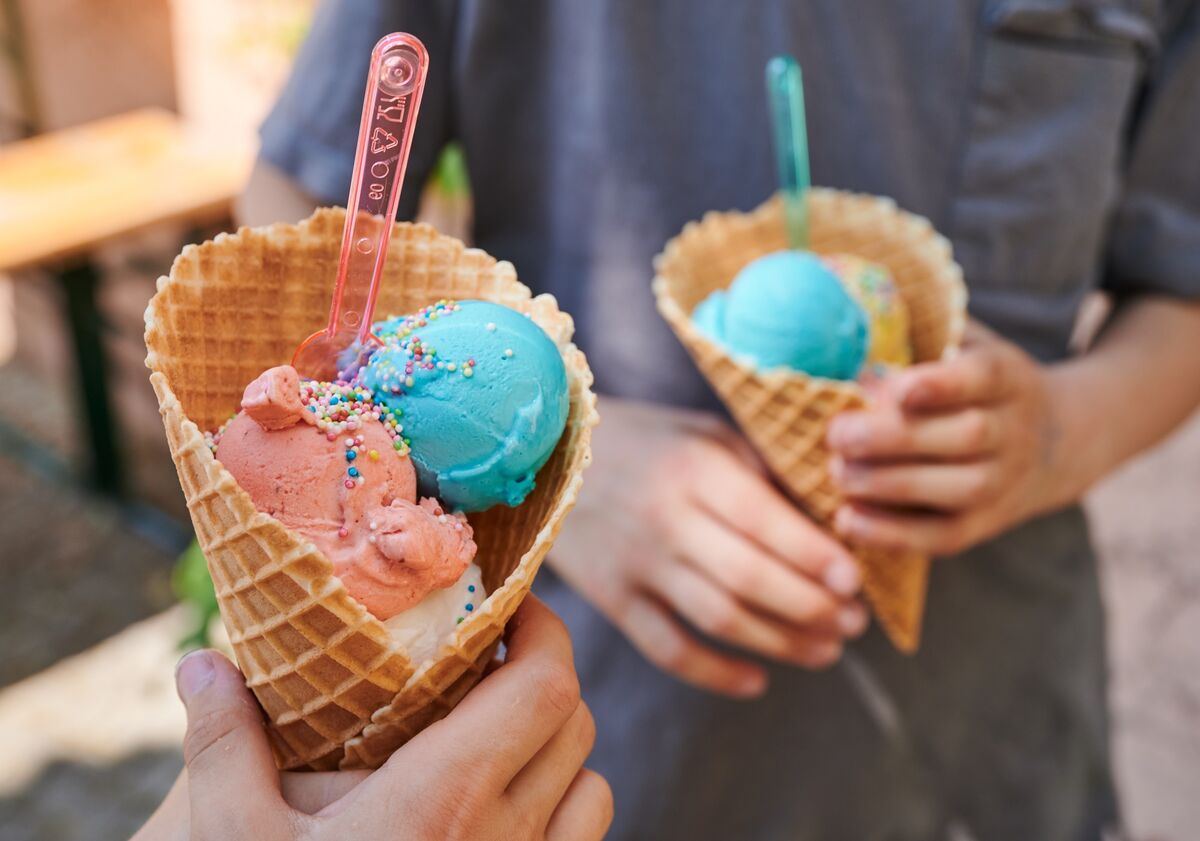

Ice cream has a familiar, comforting vibe, from mint‑chip green to strawberry ripple red and banana split sauce yellow. But in the U.S., these colors are being replaced by more natural shades because consumers care more about health and there’s more rules. About 40 U.S. ice cream makers, who make over 90% of the country’s ice cream, have promised to take out seven synthetic dyes made from petroleum by 2028.
This promise was made through the International Dairy Foods Association (IDFA), which stands for many ice cream and frozen dessert companies. The dyes they’re getting rid of are Red 3, Red 40, Green 3, Blue 1, Blue 2, Yellow 5, and Yellow 6. These are some common synthetic colors added to foods, like ice cream.
This is happening because people want better ingredients, they’re worried about dyes causing health issues, there are rules coming out about bans, and there are more natural coloring options like beet juice and turmeric.This promise is a big deal, but it’s not easy. It can be hard to make natural colors as bright as synthetic ones. Natural options can fade faster, change the taste, and cost more. The bright colors are part of the fun for many people, so companies will have to manage what people expect.
Still, people who care about public health and regulators are happy because it means fewer artificial additives in our food. But others say that it’s only a small part of the bigger problem of unhealthy eating in the U.S., like too much sugar and processed food.
Soon, your ice cream might look a bit different. Strawberry might not be so neon red, and rainbow sherbet might be less bright. But ice cream will still be enjoyable. For many, a less bright color is worth it for better ingredients.
This promise by ice cream makers shows that food production is changing. People want to know what’s in their food, even treats. As things change, ice cream will still be a treat, but it will be one that shows what people want these days: naturalness, safety, and trust.